The performance of modern buildings is no longer measured solely by the efficiency of their systems at the time of installation, but also by their ability to maintain the required performance levels throughout the facility's operational life[cite: 10]. With the increasing number of electrical, mechanical, elevators, and control systems, facility management now requires an integrated approach that supports asset monitoring, operational efficiency assessment, and the management of changes that may affect service continuity[cite: 10].
In this context, operational data has become an important element in advancing facility management[cite: 10]. It enables responsible teams to move beyond responding to faults after they occur and toward continuously understanding system performance and identifying improvement opportunities based on actual information generated within the building[cite: 10].
When Building Data Becomes Part of Engineering Decision-Making
Commercial and administrative buildings, as well as large facilities, operate through interconnected systems of equipment and technologies, including HVAC, lighting, power distribution, elevators, and control and monitoring systems[cite: 10]. As these systems operate, they generate large volumes of data that reflect equipment conditions, consumption patterns, and usage conditions[cite: 10].
However, having this data stored across separate systems does not necessarily provide a clear picture of the facility's overall performance[cite: 10]. Its true operational value emerges when different information sources are connected within an integrated system that allows performance comparisons and analysis of relationships between systems[cite: 10].
For example, an increase in energy consumption may not be caused solely by higher loads[cite: 10]. It could also be related to HVAC systems operating outside occupancy hours, inappropriate control settings, or declining equipment efficiency[cite: 10]. By linking energy, occupancy, and operational data, the underlying causes of increased consumption can be identified more accurately rather than simply observing the rise in usage[cite: 10].
Asset Efficiency and Reducing Unplanned Downtime
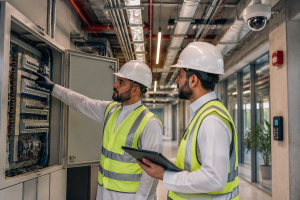
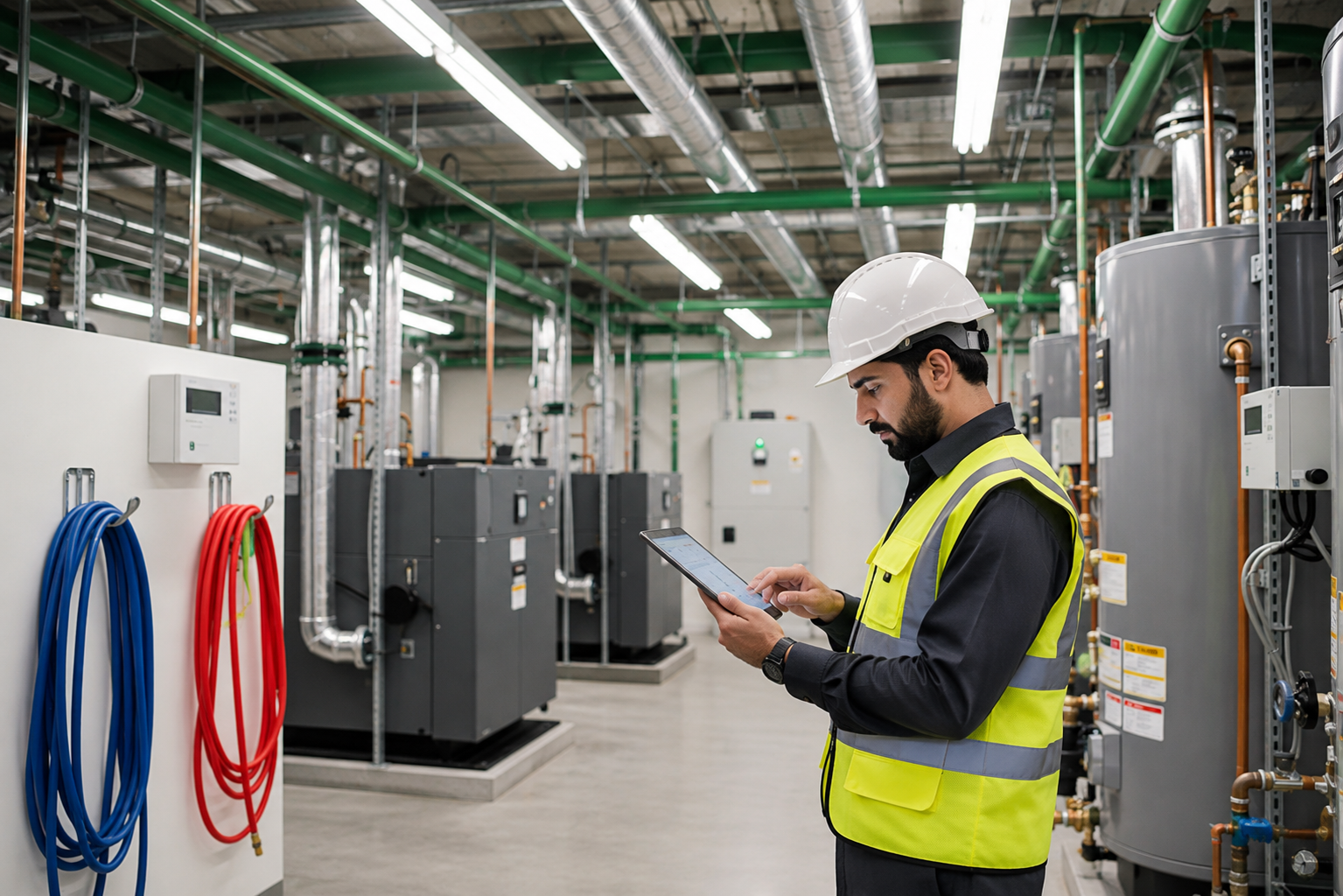
Equipment reliability is one of the most significant challenges facing facility management, particularly in facilities that depend on continuous operation[cite: 10]. A failure in a main HVAC unit, a pump, or an electrical infrastructure component may affect multiple services and lead to additional operational costs[cite: 10].
This highlights the importance of using data to develop maintenance strategies by monitoring equipment performance indicators and comparing readings against normal operating conditions[cite: 10]. This information can help detect unusual changes and identify equipment that requires inspection or technical intervention[cite: 10].
This approach forms the foundation for implementing Predictive Maintenance, which relies on analyzing equipment conditions and performance indicators to estimate the likelihood of failures and determine the appropriate timing for intervention[cite: 10].
The benefits extend beyond reducing equipment failures to include better maintenance task scheduling, spare parts management, extending asset operational life, and reducing reliance on emergency repairs[cite: 10].
Energy Management Based on the Facility's Actual Performance
Energy consumption is one of the most important indicators of building operational efficiency[cite: 10]. However, improving it requires more than monitoring utility bills or comparing monthly consumption[cite: 10]. Accurate assessment requires linking energy usage to building area, occupancy levels, operating hours, climatic conditions, and the nature of activities within the facility[cite: 10].
Through this type of analysis, areas consuming more energy than expected can be identified, HVAC and lighting system efficiency can be reviewed, and the alignment of operating schedules with the actual use of spaces can be evaluated[cite: 10].
This is particularly important in large commercial and administrative buildings, where well-planned operational improvements can reduce waste and improve resource utilization without compromising occupant comfort or operational requirements[cite: 10].
System Integration: The Foundation of More Connected Facility Management
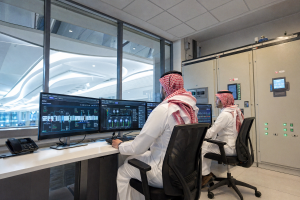
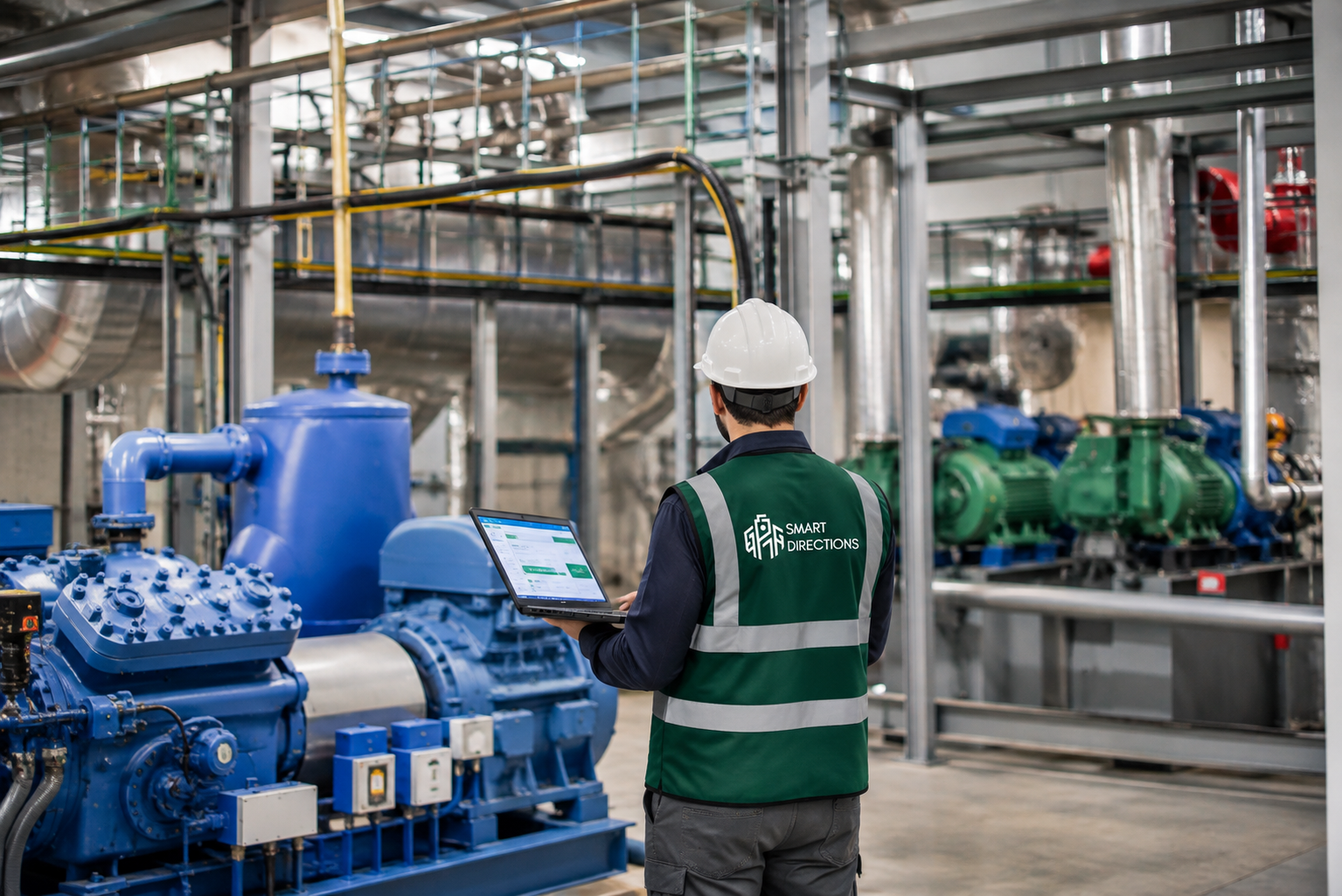
The effectiveness of data-driven facility management depends on the ability of different systems to exchange information and operate within an integrated operational environment[cite: 10]. Having a Building Management System (BMS) alone does not guarantee that the full value of available data will be realized unless the system is designed to connect relevant systems and unify monitoring and control mechanisms[cite: 10].
This includes integration between HVAC, lighting, energy metering, sensors, and control systems, as well as asset and maintenance management platforms when required[cite: 10]. Such an integrated environment also requires careful consideration of communication protocols, equipment compatibility, network architecture, access permissions, and security to ensure reliable and secure information flow[cite: 10].
From an operational perspective, this integration provides a more comprehensive picture of facility performance rather than treating each system as an independent unit[cite: 10]. It also helps develop alert response mechanisms, coordinate maintenance activities, and monitor performance indicators through centralized platforms and unified dashboards[cite: 10].
The Real Challenge Begins After System Installation
A facility may have the latest sensors and monitoring platforms yet still fail to achieve the expected operational results[cite: 10]. In many cases, this is due to a lack of integrated planning during the design stage, poor coordination between systems, or failure to define the performance indicators that need to be monitored[cite: 10].
Therefore, developing smart facility management does not begin with purchasing a data analytics platform[cite: 10]. It starts with assessing the facility's needs, asset types, and operational requirements, followed by identifying the systems that need integration, data collection points, and appropriate monitoring and control mechanisms[cite: 10].
Data quality, network security, and system continuity must also be considered, along with training operational teams to use available information within clearly defined procedures[cite: 10]. The success of a solution is not measured by the volume of data a facility collects, but by its ability to transform that data into tangible performance improvements[cite: 10].
Toward More Efficient and Sustainable Building Management
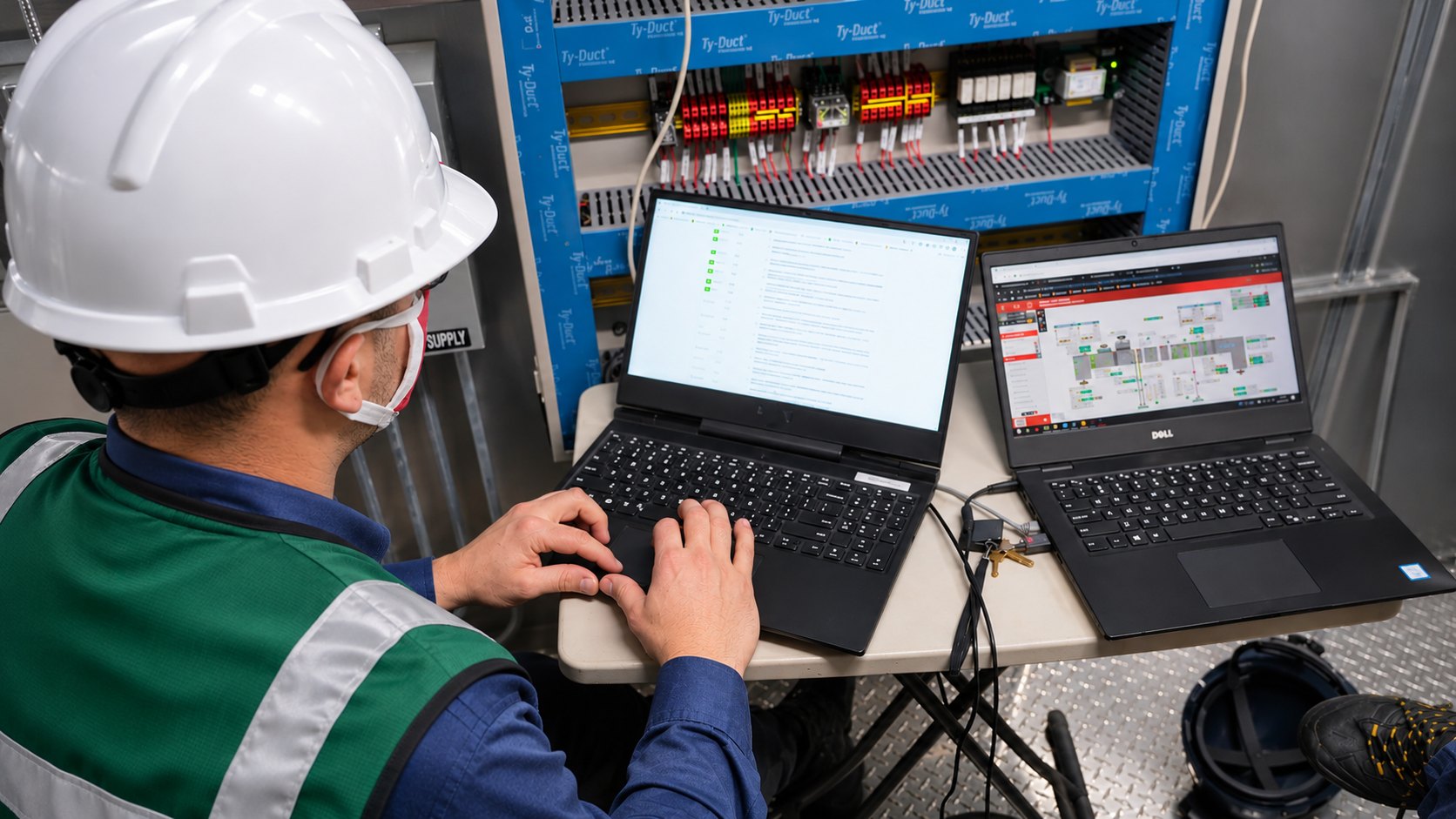
Smart facility management has become an extension of integrated engineering design[cite: 10]. Systems are no longer implemented solely to provide independent functions; they have become part of an interconnected operational infrastructure that supports asset monitoring, improves energy consumption, and enhances service reliability[cite: 10].
At Smart Directions, we focus on delivering integrated engineering and technology solutions that help connect building systems and enhance monitoring and control capabilities[cite: 10]. This enables facilities to improve their operational performance and benefit from modern technologies to manage their assets more efficiently and reliably[cite: 10].